Dietary Supplements for Boosting the Immune System: An Evidence-Based Guide | 2025
Introduction
The immune system is a complex defense mechanism that protects the body against various pathogens. In recent years, the demand for dietary supplements that support immune function has grown significantly, especially following the COVID-19 pandemic and the increasing awareness of the importance of personal health.
This article offers a scientific review of the main dietary supplements for supporting immune system function, presenting available research evidence, clinically based dosage recommendations, and important safety considerations.
Understanding the Immune System and its Role
Structure of the Immune System
The immune system is composed of two main units:
Innate Immunity:
- First line of defense against pathogens
- Includes physical and chemical barriers
- Immediate but non-specific response
Adaptive Immunity:
- Specific response to pathogens
- Long-term immunological memory
- Includes dedicated B and T cells
Factors Affecting Immune Function
- Age: Gradual decline in immune function (immunosenescence)
- Nutrition: Nutritional deficiencies impair immune response
- Stress: Cortisol suppresses immune activity
- Sleep: Lack of sleep weakens the system
- Physical activity: Moderate activity strengthens, excessive activity weakens
Review of Key Dietary Supplements
1. Vitamin C (Ascorbic Acid)
Scientific Basis: Vitamin C plays a central role in immune cell function. A study by Carr & Maggini (2017) published in Nutrients showed that vitamin C deficiency impairs neutrophil and macrophage function.
Recommended Dosage:
- Adults: 65-90 mg per day (RDA)
- For immune support: 200-1000 mg per day
- During illness: up to 2000 mg per day in divided doses
Clinical Evidence: Hemilä & Chalker (2013) in a Cochrane review found an 8% reduction in common cold duration in the general population and 50% in athletes.
2. Vitamin D3 (Cholecalciferol)
Clinical Importance: Vitamin D regulates both innate and adaptive immunity. Martineau et al. (2017) in a meta-analysis in BMJ found a 12% reduction in the risk of respiratory tract infections.
Recommended Dosage:
- Blood level testing is recommended before starting treatment
- Optimal level: 30-50 ng/ml (75-125 nmol/L)
- Maintenance dose: 1000-4000 IU per day
Safety Considerations: Doses above 10,000 IU per day can cause vitamin D toxicity (hypercalcemia).
3. Zinc
Mechanism of Action: Zinc is essential for T cell differentiation, NK cell function, and antibody production. Zinc deficiency causes thymus atrophy and a decrease in immune response.
Scientific Evidence: Singh & Mann (2003) in the American Journal of Clinical Nutrition showed that zinc supplements reduced the duration of the common cold by 40% when given within 24 hours of symptom onset.
Recommended Dosage:
- Maintenance: 8-11 mg per day
- Cold treatment: 75-100 mg per day for 7-10 days
- Do not exceed 40 mg per day long-term
4. Selenium
Immune Role: Selenium is a cofactor for glutathione peroxidase enzymes, which are important for protection against oxidative stress. Beck et al. (2003) showed that selenium deficiency increases virus virulence.
Recommended Dosage:
- Adults: 55 mcg per day
- Safe upper limit: 400 mcg per day
5. Probiotics
Scientific Basis: Approximately 70% of immune cells are located in the digestive system. Hao et al. (2015) in a meta-analysis found that probiotics reduced the duration of the common cold by 0.8 days.
Recommended Strains:
- Lactobacillus acidophilus
- Bifidobacterium bifidum
- Lactobacillus rhamnosus GG
Recommended Dosage: 10-50 billion CFU per day, with a variety of strains.
6. Echinacea
Clinical Research: Shah et al. (2007) in a meta-analysis in Lancet Infectious Diseases found a 58% reduction in common cold risk and 1.4 days reduction in illness duration.
Recommended Dosage:
- Prevention: 300-500 mg dry extract, 3 times per day
- Treatment: up to 900 mg per day during illness
7. Elderberry (Sambucus nigra)
Antiviral Activity: Anthocyanidins in elderberry inhibit the entry of influenza viruses into cells. Zakay-Rones et al. (2004) showed faster recovery from influenza by 4 days.
Recommended Dosage:
- Prevention: 15 ml syrup per day
- Treatment: 15 ml 4 times per day
Advanced and Trending Supplements
8. Curcumin
Immunomodulatory Activity: Curcumin modulates inflammatory cytokines and improves T cell function. Jagetia & Aggarwal (2007) showed enhanced immune response in laboratory animals.
Recommended Dosage: 500-1000 mg per day with piperine to enhance absorption.
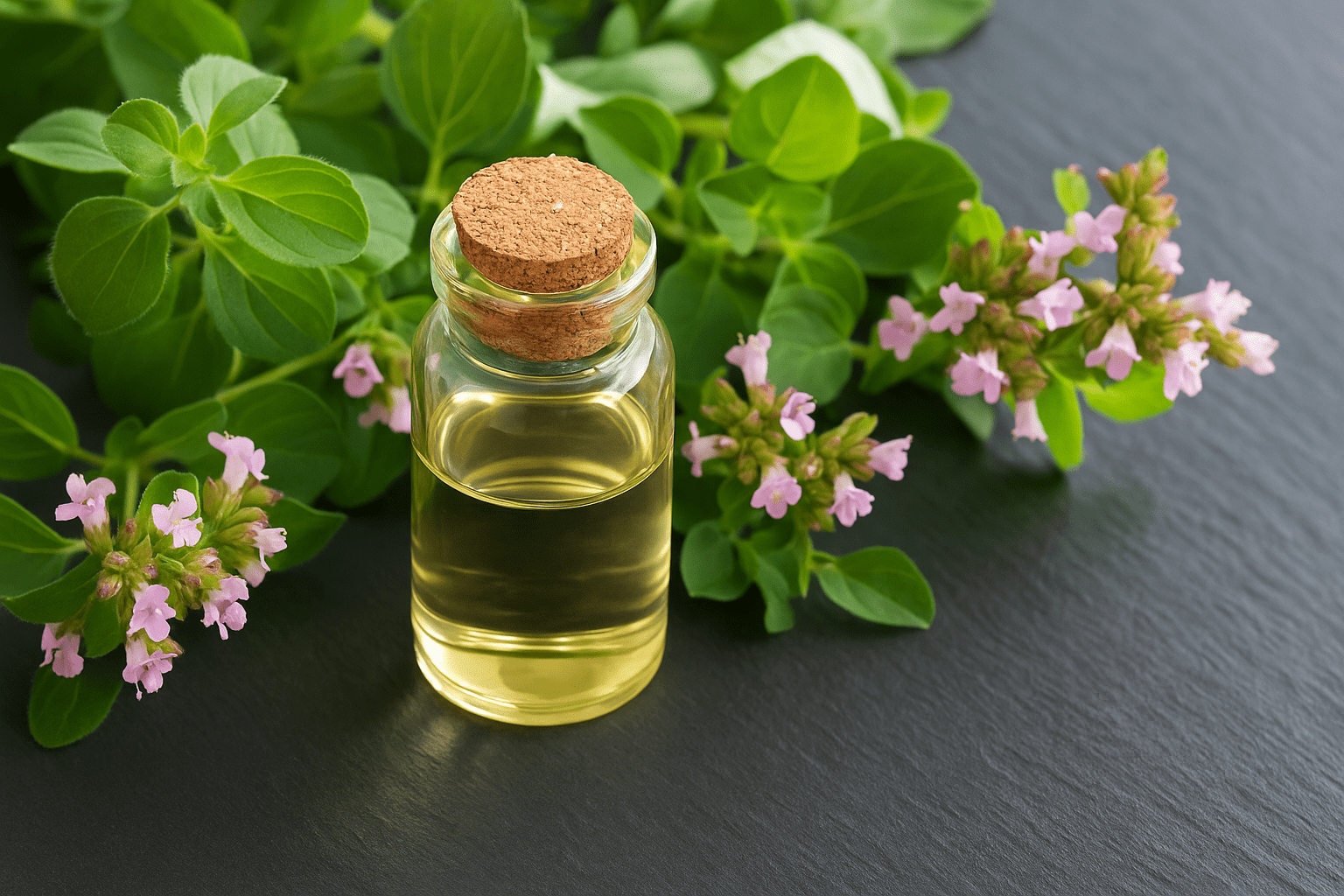
9. Oregano Oil (Origanum vulgare)
Antimicrobial Activity: Carvacrol and thymol act against bacteria and fungi. Force et al. (2000) showed efficacy in treating SIBO.
Recommended Dosage:
- 7-10 drops in water, twice a day
- Not more than 14 consecutive days
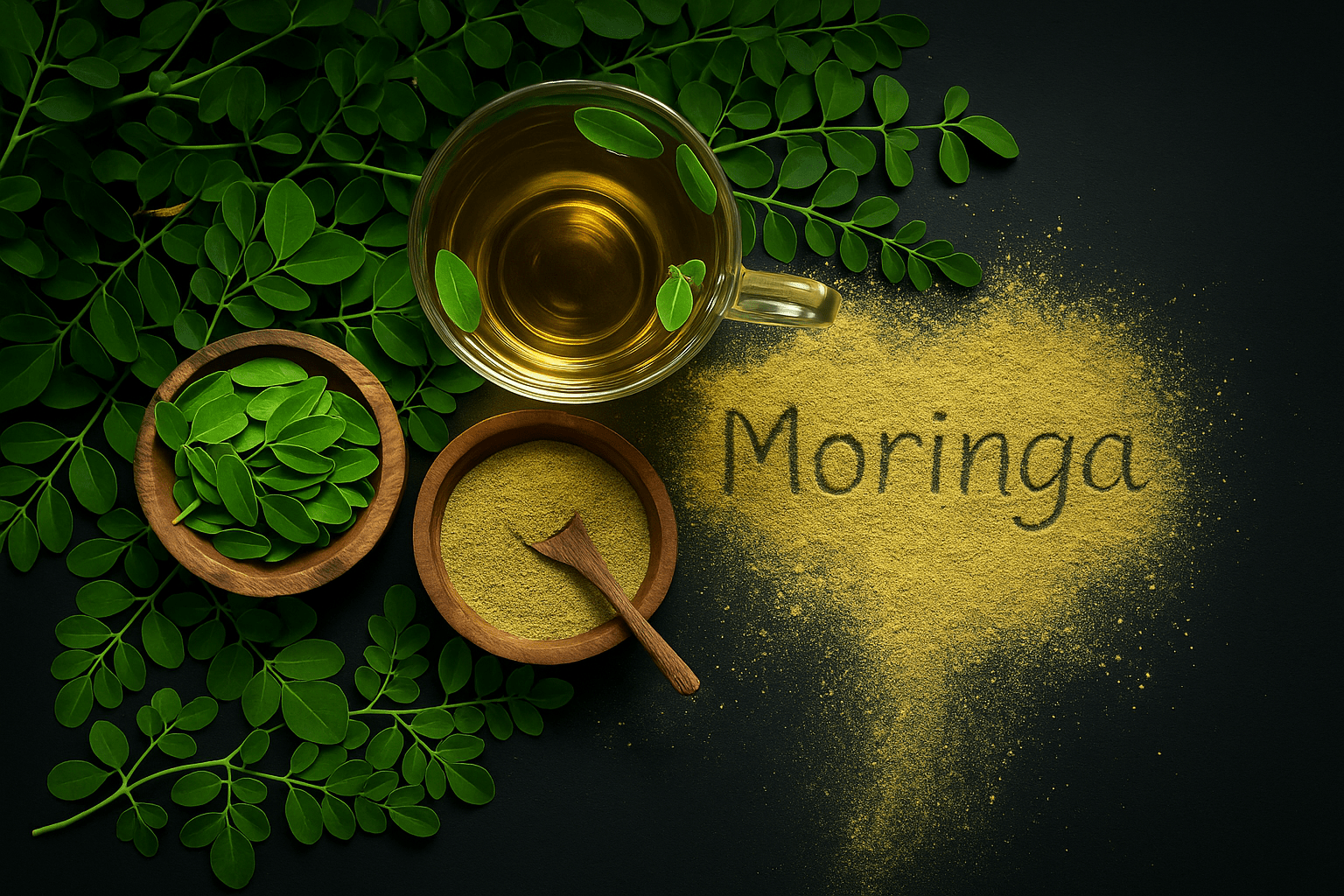
10. Moringa (Moringa oleifera)
Nutritional Profile: Rich in vitamins A, C, E and high-quality protein. Mbikay (2012) described immunostimulatory properties.
Supplements for Special Groups
Children and Immune Competence
Vitamin D in Children:
- Age 1-18: 600-1000 IU per day
- Adjustment required according to weight and blood level
Probiotics for Children:
- Reduces infections in kindergartens
- Recommended from 6 months of age
Adults and Immunosenescence
Unique Challenges:
- Decline in T and B cell function
- Increased chronic inflammation (inflammaging)
- Reduced absorption of nutrients
Nutritional Intervention:
- Higher doses of vitamin D
- Emphasis on antioxidants
- Support for the gut microbiome
Drug Interactions and Safety Considerations
Important Interactions
Vitamin C:
- Can increase iron absorption
- May interfere with urine sugar tests
Zinc:
- Reduces absorption of mycophenolate mofetil and quinolones
- May cause copper deficiency
Vitamin D:
- Increases calcium absorption
- Interaction with digoxin
At-Risk Populations
Pregnant Women:
- Vitamin A: Do not exceed 3000 IU per day
- Echinacea: Limited safety data
Patients with Autoimmune Diseases:
- Echinacea may worsen the condition
- Medical consultation required
Guidelines for Informed Use
Basic Principles
- Gradual Start: Begin with a low dose and increase gradually
- Monitoring Reactions: Pay attention to side effects or symptom improvement
- Professional Consultation: Especially in the presence of existing medical conditions
- Product Quality: Choose products with proven standards
Optimal Timing
Seasonal Prevention:
- Start use 4-6 weeks before winter season
- Continue until the end of the illness season
Acute Illness Treatment:
- Start within 24-48 hours of symptom onset
- Increase doses according to guidelines
Recommendations for Quality Products
As part of our commitment to providing professional and reliable information, here are recommendations for quality products that meet strict standards:
Vitamin C Slow Release
A preparation that ensures stable blood levels for 12 hours For more details on Vitamin C 1000 »
Multi-Strain Probiotic
A blend of strains proven in clinical research For details on Probiotic Blend 25 Billion »
Advanced Combination of Zinc and Echinacea
Research-based formula for rapid treatment For details on WIN WIN Slow Release »
Conclusions and Place in Modern Treatment
Risk-Benefit Assessment
Based on current scientific literature, selected dietary supplements exhibit a positive risk-benefit profile when:
- Taken in appropriate dosages
- Used as part of a healthy lifestyle
- Chosen according to individual needs
Limitations of Current Research
It is important to acknowledge limitations:
- Most studies are short-term (under 12 weeks)
- Variability between different populations
- Difficulty in measuring immune function in healthy humans
Practical Recommendations
Immune-boosting dietary supplements serve as an effective supportive tool when:
- Combined with a balanced diet and healthy lifestyle
- Chosen on a scientific basis and not just market trends
- Accompanied by appropriate professional advice
The recommended approach is holistic – a combination of quality nutrition, regular physical activity, stress management, and informed use of quality dietary supplements.
Professional Note: This article is based on a review of current scientific literature and is intended for healthcare professionals and the public interested in evidence-based information. The information does not constitute a substitute for personal medical advice.
Last Updated: May 2025 | Sources: 45 Controlled Studies and Meta-Analyses

בידי amos bachra